
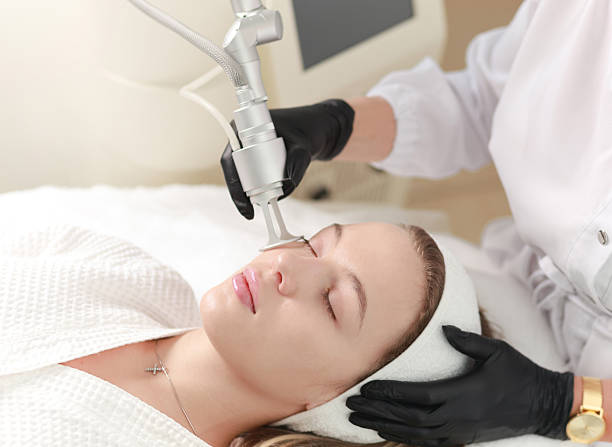
What to Know About co2 laser in Aesthetic Skin Treatment
Skin resurfacing treatments are often considered by individuals who want to address concerns such as acne scars, uneven texture, enlarged pores, and other visible surface irregularities. Among the options available in aesthetic practice, co2 laser is commonly discussed as a clinic-based treatment used for selected skin concerns. It is generally approached as part of a broader treatment plan rather than as a standalone answer for every skin issue.
Aesthetic procedures are usually chosen based on the condition of the skin, the type of concern being treated, and the recommendations made during consultation. Because different laser technologies work in different ways, it is helpful to understand the general role of the treatment before deciding whether it may be suitable. This allows patients to approach the consultation process with clearer expectations and more useful questions.
How the Treatment Is Commonly Used
In aesthetic settings, co2 laser is often associated with skin resurfacing. It may be considered in treatment planning for concerns linked to acne scarring, textural irregularities, and selected signs of skin damage that affect surface appearance. The treatment is generally used with the goal of improving how the skin looks and feels over time, depending on the condition being assessed.
This does not mean the same approach is suitable for every patient. Skin type, scar depth, healing response, and medical history all play an important role in determining whether a laser procedure is appropriate. Some concerns may respond better to other methods, while others may require a combination approach. That is why professional evaluation remains an essential part of aesthetic decision-making.
Why Consultation Matters Before Treatment
Before any laser-based procedure, a consultation helps clarify whether the treatment matches the patient’s actual skin concern. A practitioner will usually look at the skin closely, discuss treatment goals, and explain what may be realistic based on the severity and type of issue being treated. This helps reduce confusion and avoids choosing a procedure based only on general popularity.
For those researching co2 laser as a possible option, it is useful to view it within the context of personalised care. A treatment may sound suitable in general terms, but its practical value depends on whether it fits the skin condition being assessed. The consultation stage is where this becomes clearer.
Practical Considerations Patients Should Review
People often focus first on the expected improvement, but the overall treatment experience matters too. Patients should ask about the number of sessions that may be needed, the expected downtime, possible redness or peeling, and the aftercare required once the session is completed. These details can affect how manageable the treatment feels in daily life.
A resurfacing procedure usually requires appropriate skin care before and after treatment. This may include sun protection, following post-treatment instructions carefully, and allowing the skin enough time to recover. When expectations are discussed in advance, it becomes easier for patients to prepare for the process rather than focusing only on the procedure itself.
A Treatment Best Viewed in Context
co2 laser is best understood as one tool within a wider range of aesthetic treatments. It may be relevant for selected skin concerns, but it should still be assessed according to individual needs and professional judgment. This keeps the decision grounded in actual skin evaluation rather than assumptions.
For individuals exploring resurfacing options, co2 laser may become part of the conversation when the concern involves scarring or uneven skin texture. The most practical approach is to consider the treatment through consultation, realistic planning, and proper aftercare. In aesthetic care, those factors often matter just as much as the technology being used.
Leave a Reply